
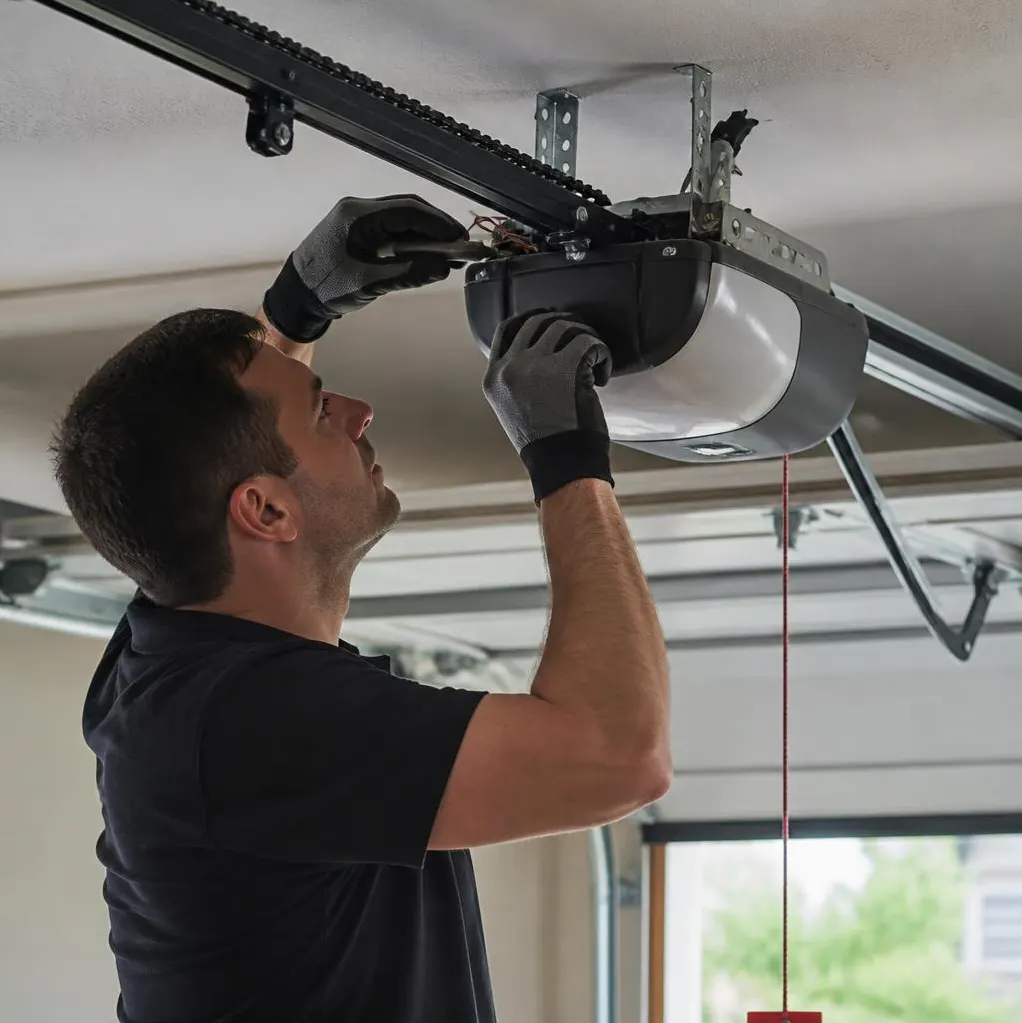
A typical late-fall service call here starts the same way: the homeowner says the door has been "acting a little off" since the last tropical system came through, but it wasn't bad enough to deal with during hurricane season. By the time a technician gets out there, they're usually finding sand and grit packed into the bottom track, a hinge or two weeping rust where salt air got into a scratch in the coating, and weatherstripping that's gone stiff and cracked from months of UV and heat. None of it stopped the door from working, but all of it is the kind of wear that gets worse once temperatures drop and humidity swings start again.
Panama City Beach doesn't get a real winter, but it does get cold snaps, foggy mornings, and bigger day-to-night temperature swings than summer. That shift is exactly when small issues left over from hurricane season turn into bigger ones.
Check What Storm Season Left Behind
Even if your door made it through hurricane season without major damage, wind-load stress and blowing debris take a toll you might not notice right away. Walk the full length of both tracks and look for:
- Sand, salt residue, or dried mud packed into the track channels
- Dents or bent spots in the track from flying debris
- Rust starting at bolt heads, hinges, or the bottom edge of the panels
- Panel warping or swelling, especially on wood or wood-composite doors that took on moisture
Clean tracks with a stiff brush and a damp cloth rather than a hose — you don't want to force water and grit further into the rollers. If rust has already started, a wire brush and touch-up paint can stop it from spreading, but once it's eaten into the metal structurally, that section needs replacing rather than painted over.
Cold Mornings Change How the Door Moves
It doesn't need to freeze for cold to matter. When overnight temperatures drop into the 40s and 50s, metal springs and tracks contract slightly, and old lubricant thickens. A door that opened smoothly all summer can suddenly feel sluggish, squeak on the way up, or hesitate right at the start of its cycle. This is usually just stiff hardware, not a failing opener — but it's worth checking before you assume the motor is going bad.
Lubricate rollers, hinges, and the springs themselves with a silicone-based garage door lubricant, not household oil or WD-40, which attracts grit and washes out fast in humid air. Do this every few months year-round, but it matters more in the cooler, drier stretch from late fall into winter when humidity levels aren't masking the friction the way they do in summer.
Weatherstripping Takes the Brunt of Summer Sun
By this time of year, the rubber seal along the bottom of the door and the vinyl stripping around the frame have usually spent months baking in heat and UV exposure. Cracked, flattened, or torn weatherstripping doesn't just let in cold air on the rare chilly night — it lets in wind-driven rain, dust, and small pests looking for a dry spot. Press a finger into the seal; if it feels brittle or doesn't spring back, it's due for replacement. This is inexpensive, DIY-friendly work for most homeowners, though doors with track-mounted seals or integrated threshold systems are easier to get right with a technician.
Test the Opener and Safety Features
If you'll be running the garage more over the next few months — holiday decorations in and out, guests, extra vehicle traffic — it's worth testing the auto-reverse safety feature and the photo-eye sensors now rather than after something goes wrong. Place a block of wood in the door's path and make sure it reverses on contact. Wipe down the sensor eyes near the floor track, since salt-air film and dust build up there and can cause false readings or a door that won't close at all.
When to Call Panama City Beach Garage Door Pro
If you're seeing active rust on structural hardware, a track that's visibly bent, a door that's suddenly heavy or uneven when it opens, or an opener that reverses or stalls for no clear reason, those go beyond a seasonal tune-up. Our team handles garage door maintenance visits to catch this kind of wear early, and we do spring replacement and garage door opener repair when something's past the point of a home fix. We also check torsion spring tension as part of maintenance calls, since that's one of the most common things storm stress and temperature swings throw out of balance.
If your garage door has been due for a look since hurricane season wrapped up, now's a good time to get it done before winter's cold mornings make small problems worse. Call Panama City Beach Garage Door Pro to schedule a maintenance visit anywhere in Panama City Beach, FL.